Trustworthy Electrical Expert Support for Secure and Streamlined Residential Property Wiring
Reliable electrician services serve an important role in maintaining the safety and functionality of home wiring. These experts guarantee compliance with safety regulations, lowering the risk of hazards such as electrical fires. Homeowners often overlook signs that indicate the need for professional assistance. Understanding these indications is crucial. What should one look for when considering a licensed electrician? The implications of ignoring this can be serious.
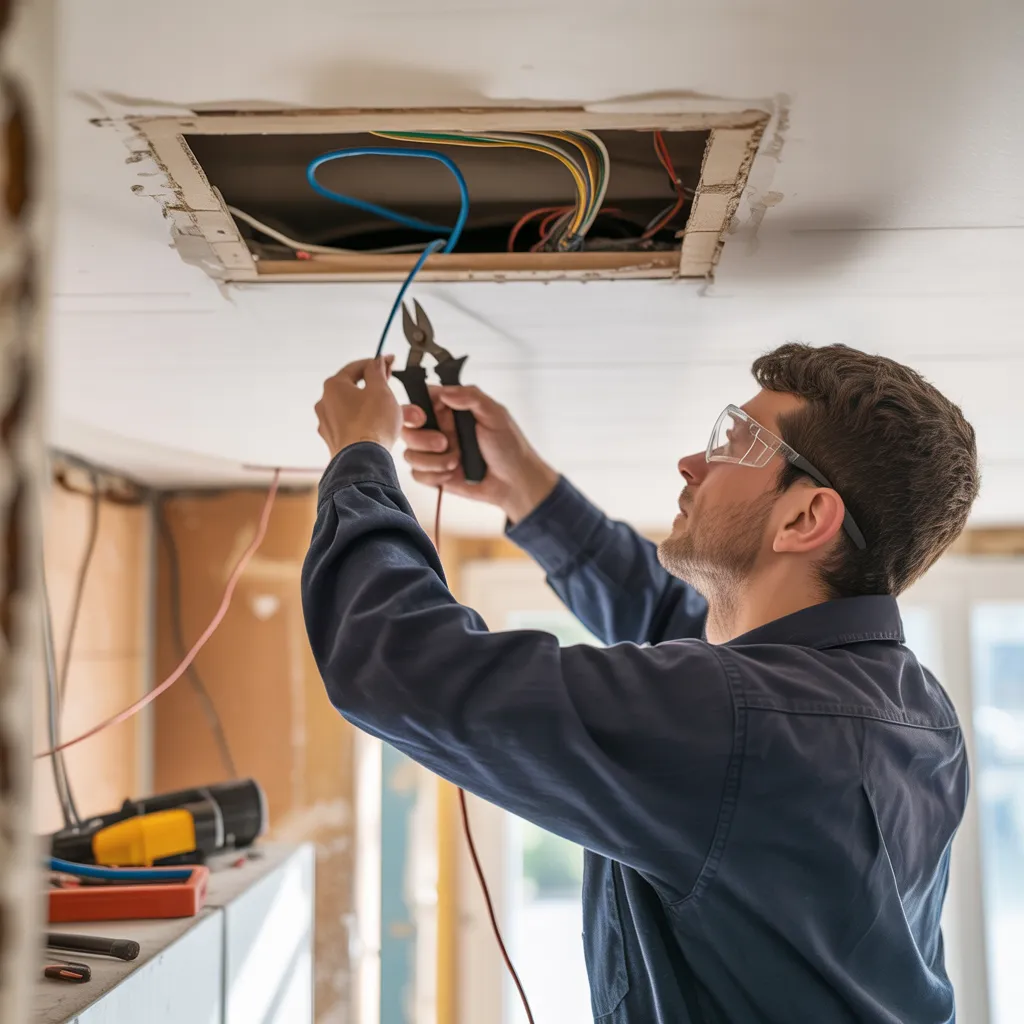
Why Skilled Electrician Services Are Vital for Your Home
Why are professional electrician services crucial for preserving a secure and operational home? These offerings guarantee that electrical systems are set up and serviced in compliance with strict safety standards. Licensed electrical professionals have the expertise to handle complex wiring, avoiding dangers such as fire hazards, shocks, and system failures. Their knowledge of local codes and regulations guarantees compliance, further protecting homeowners from potential legal issues.
In addition, licensed electricians can uncover inefficiencies in pre-existing electrical setups, recommending enhancements that heighten energy efficiency and reduce monthly bills. They are outfitted to diagnose issues efficiently, preventing interruptions and returning systems to working order. By opting for professional services, homeowners obtain reassurance knowing their electrical systems are protected, solid, and tuned for peak performance. At the end of the day, working alongside talented electricians reinforces not only safeguarding but also the overall quality of life throughout the dwelling.
Reasons to Contact a Certified Electrical Expert
Understanding when to hire a licensed electrician can keep minor issues from turning into major problems. Homeowners ought to be alert of several critical signs manifesting the need for professional assistance. Frequent trips of circuit breakers can show overloaded circuits or malfunctioning wiring. Flickering lights may indicate underlying electrical troubles that require immediate attention. Furthermore, any indications of burning smells or scorch marks around outlets are serious warnings that should not be disregarded.
A supplementary indicator is a jump in energy costs without any evident explanation, which may suggest operational defects or poor efficiency. If there are inactive outlets that prove inactive after troubleshooting efforts, it is time to consult a professional. Finally, any home electrical work that appears overwhelming or unknown should be addressed by a qualified electrician to ensure compliance and protection with local regulations. Swift intervention can safeguard both the inhabitants and structure.
How to Pick the Perfect Electrician for Your Situation
Selecting the right electrical professional can feel overwhelming, but several important considerations can simplify the process. First, verify credentials and licenses, confirming the electrician satisfies local codes and requirements. This confirmation is vital for safety and peace of mind. Next, consider experience; electricians with a proven track record in residential wiring typically handle issues more efficiently.
Moreover, seeking recommendations from peers or online reviews can deliver helpful information into the electrician's trustworthiness and standard of workmanship. It's also advisable to ask about guarantees on materials and services, as this indicates trust in their work.
Finally, guarantee clear communication about project schedules and expectations. An electrician who listens to worries and answers questions is more likely to deliver satisfactory results. By concentrating on these essential factors, homeowners can make informed decisions and find an electrician who meets their particular needs effectively.
Evaluating Expenses for Power Work
What are the best ways for property owners to evaluate expenses associated with electrical services? First, they should secure multiple estimates from qualified electricians, making sure they have a variety of cost alternatives. This strategy allows assessment and improves understanding of market rates. Property owners should discuss the pricing structure, which could involve hourly rates or flat project costs, as well as any additional costs for materials or permits.
Next, it's fundamental to establish what is included within the estimate, as precise quotes can avert unexpected expenses. Homeowners should also weigh the electrician's proficiency and standing, as lower prices may sometimes display lesser quality. Additionally, researching local average costs for designated services can furnish a reference for evaluating estimates. Finally, homeowners should be alert to prices that seem unusually low, as they may point out subpar service or hidden charges. By following these steps, homeowners can arrive at informed conclusions regarding their electrical service needs.
Guidelines for Guaranteeing Protected and Optimized Home Wiring
After assessing costs for electrical services, preserving safe and efficient home wiring becomes a concern for homeowners. Regular inspections by qualified electricians can detect potential hazards, such as frayed wires or outdated systems. Homeowners should also keep an eye on circuit breakers; frequent tripping may suggest underlying issues that need immediate attention.
Additionally, preventing circuit overload is critical for security. Connecting multiple appliances to one outlet may result in fire hazards and heat buildup. Homeowners are advised to install protective suppressors to shield delicate electronics from power surges.
Furthermore, maintaining clear access to electrical panels and outlets secures that emergencies can be addressed swiftly. It is also wise to swap out any frayed or deteriorated extension cords without delay. Finally, homeowners should become acquainted with basic electrical safety practices, enhancing overall awareness and fostering a safer living environment.
Benefits of Upgrading Your Home's Electrical System
Upgrading a home's electrical system offers several advantages that can greatly enhance the living environment. Improved safety measures help minimize electrical hazards, while better energy performance can lead to lower utility bills. Furthermore, a updated infrastructure can improve property value, making it a wise investment for homeowners.
Enhanced Safety Standards
As homeowners prioritize protection, upgrading an electrical system becomes necessary for cutting down hazards linked to outdated wiring and components. Modern electrical systems adhere to enhanced safety standards, greatly reducing the possibility of electrical fires, shocks, and malfunctions. By replacing old wiring, circuit breakers, and outlets, homeowners ensure compliance with up-to-date regulations, minimizing potential hazards. New installations often feature ground fault circuit interrupters (GFCIs) and arc fault circuit interrupters (AFCIs), which provide extra degrees of protection. Moreover, an updated system can better support modern appliances and technology, reducing the risk of overloads. Ultimately, investing in enhanced safety standards not only protects residents but also contributes to long-term peace of mind about home safety and reliability.
Increased Energy Efficiency
Revamping a home's electrical system can lead to significant energy efficiency improvements. Updating outdated wiring and installing energy-efficient fixtures reduces power consumption, decreasing utility bills. Modern systems often include smart technology, allowing homeowners to monitor and regulate energy use more efficiently. Improved insulation of electrical components cuts down on energy loss, making sure that less power is wasted. Furthermore, replacing old appliances with Energy Star-rated models adds to efficiency, since these devices are made to use less electricity. Overall, a well-maintained electrical system not only improves performance but also encourages sustainable living, making it a smart investment for environmentally conscious homeowners. Energy efficiency upgrades ultimately produce a more pleasant and economical living environment.
Increased Property Valuation
A modern access this information electrical system greatly improves a home's property value, making it an attractive feature for likely buyers. Upgrading cabling, outlets, and fixtures not only adheres to contemporary safety standards but also enables advanced technology, such as smart home systems. Homes with refurbished electrical systems can demand higher prices and sell faster, as buyers prioritize safety and efficiency. Additionally, a well-maintained electrical system reduces the risk of costly repairs, which is appealing to would-be homeowners. This improvement can also cut insurance premiums, further adding to the property's appeal. In conclusion, investing in an improved electrical system is a prudent move that greatly enhances a home's marketability and overall value.
General Electric Difficulties and How Electricians Correct Them
Common electrical problems can disrupt daily life and create safety risks. Regular breaker malfunctions, flickering or dim lights, and possible fire dangers from electrical systems are among the most prevalent problems homeowners encounter. Electricians employ various techniques to identify and fix these issues, ensuring a safe and efficient electrical system.
Repeated Circuit Breaker Trips
When homeowners encounter frequent circuit breaker trips, it often indicates underlying electrical issues that demand professional care. These trips can originate from various causes, including overloaded circuits, short circuits, or defective wiring. An overloaded circuit happens when too many devices consume power at the same time, exceeding the circuit's capacity. Short circuits happen when a live wire touches a neutral wire, creating a surge that the breaker senses. Additionally, outdated or damaged wiring can lead to instability, resulting in recurring trips. Electricians typically assess the problem by inspecting the circuit layout and evaluating the power requirements. They may suggest reallocating devices, repairing defective wiring, or upgrading circuit breakers to ensure safety and efficiency in the home's electrical system.
Flickering or Dim Lights
Flickering or dim lights often suggest wiring problems that may require immediate action. Common causes include loose connections, faulty light bulbs, or an overtaxed electrical system. Electrical professionals typically start by examining the luminaires and bulbs to confirm proper installation and operation. If the bulbs are not the issue, they will check for loose wiring or connections in the circuit, which can result to inconsistent power supply. Additionally, electrical experts evaluate the power demand to figure out if an too many of appliances are drawing power, potentially causing reduced brightness. Resolving these issues not only brings back steady light but also enhances overall electrical safety in the residence, preventing further complications in the future. Timely expert help is crucial for successful fixing.
Electrical Blaze Dangers
Electrical fire hazards pose significant dangers in many homes, often resulting from issues such as outdated wiring, overloaded circuits, and improper use of extension cords. Overheating and possible ignition sources can result from these problems, so it is essential for homeowners to resolve them promptly. Qualified electricians routinely examine wiring systems and swap out outdated parts to guarantee they meet safety standards. Circuit loads are also assessed by them, who rebalance power usage to prevent overloads. Electricians also offer guidance on safe extension cord use, ensuring they are not used as permanent solutions. Electricians play a crucial role in protecting homes from electrical fires by identifying and fixing these hazards, improving safety and efficiency in residential wiring.
Frequently Asked Questions
Which Key Qualities Must I Look into in an Electrician?
When looking for an electrician, one should emphasize relevant certifications, proper licensing, adequate insurance, and professional experience. Additionally, client testimonials and compliance with safety standards can indicate competence and dependability in their work.
What's the Top Way to Validate an Electrician's Credentials and Coverage?
To authenticate an electrician's permits and coverage, one should reach out to the local licensing authority and request documentation. In addition, exploring online platforms or requesting copies directly from the electrician can guarantee further validation of their qualifications.
Can You Access Immediate Electrician Services 24/7?
Emergency electrical specialist services are often available 24/7, providing immediate support for urgent electrical issues. Property owners should confirm specific availability with local companies, as operating times may vary between companies and regions. Prompt action is essential.
What General Coverage Will You Expect on Electric Work?
Typical warranties on electrical work range from one to five years, based on the contractor and the particular project. These warranties typically include workmanship and may encompass parts, ensuring customer satisfaction and defense from defects.
How Should I Get My Home Ready for an Electrical Technician's Visit?
In advance of an electrical technician's visit, you should tidy up the workspace, make certain simple entry to outlets and panels, gather any essential documents, and discuss particular worries or work specifications beforehand for streamlined interaction.